Flood Damage Cleanup in West Valley, AZ
Monsoon runoff, a broken main or an overflowing wash can put water and mud inside your home fast. Call to be connected with a local provider for flood cleanup.
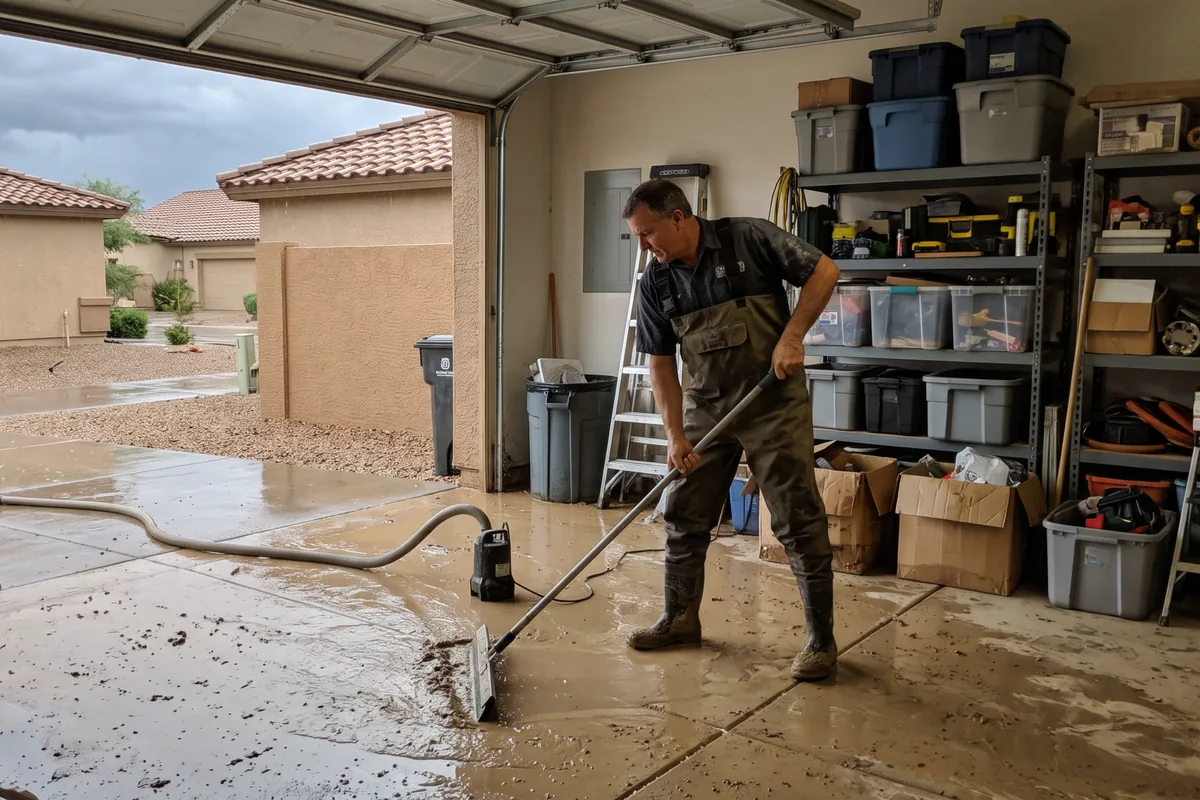
In short: Flood damage cleanup removes floodwater, mud and debris, disinfects affected surfaces and dries the structure. Because floodwater is usually contaminated, it is treated differently from a clean-water leak.
Flooding in a desert? Yes, and it happens quickly
The West Valley’s monsoon season runs from June 15 through September 30. Short, intense storms drop rain on hard, dry ground that cannot absorb it, sending water along streets, into washes and against garage doors and block walls. Homes near washes and low-lying lots in Buckeye, Goodyear, El Mirage and Surprise see the most runoff.
Flooding also comes from non-weather causes: a broken irrigation line, a failed main water line, or a neighbor’s overflow. Ask the provider to identify the source because it affects both cleanup and your insurance claim.
Call now for water damage help
Open 24 hours, 7 days a week. Tell us what happened and your ZIP code on the phone. Active flooding? Shut off the main water valve first, then call.
(786) 928-1890Have ready when you call:
- Where the water is coming from
- Which rooms are wet
- Your address or ZIP code
Why floodwater is treated as contaminated
Storm runoff picks up soil, fertilizer, pet waste, oil and bacteria on its way into your home. Restoration standards, including the IICRC S500, generally treat floodwater that enters a building from the ground as Category 3, meaning it can contain harmful microorganisms.
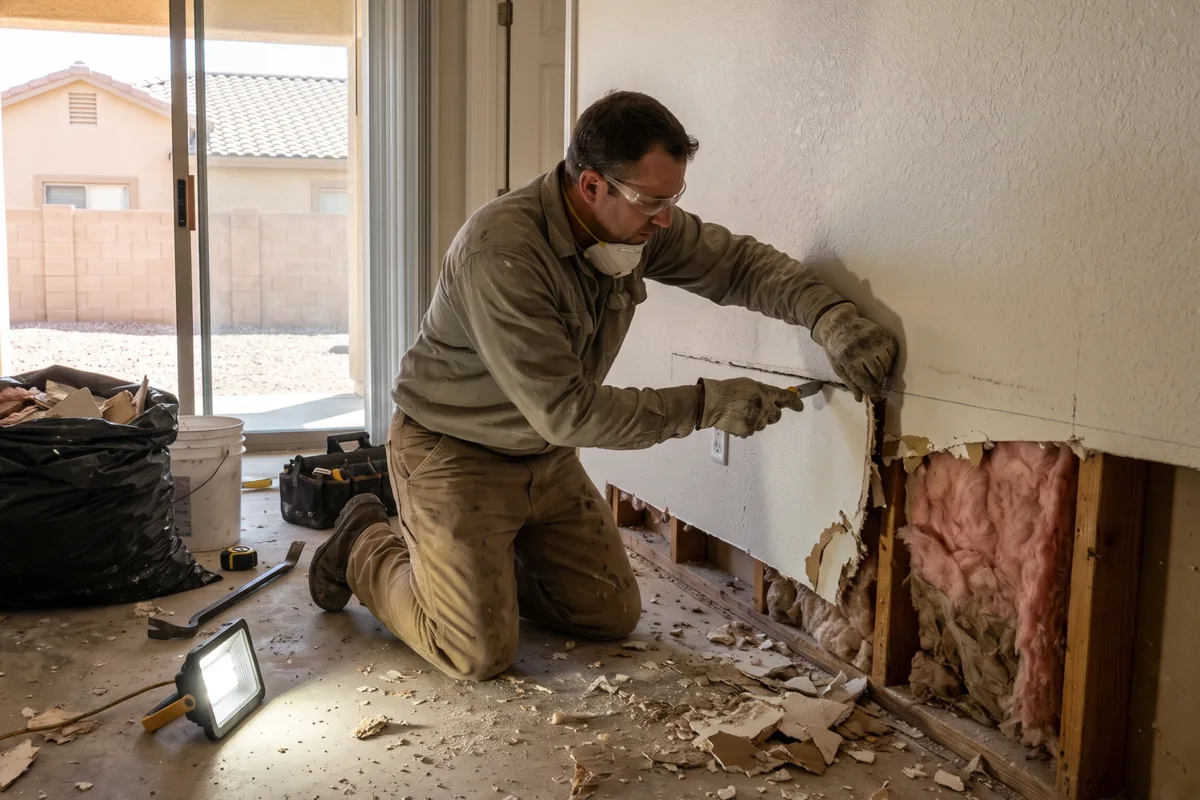
That changes what can be saved. Porous materials such as carpet, pad, insulation and wet drywall are normally removed and discarded, while hard surfaces can be cleaned and disinfected. Avoid wading through the water without boots and gloves.
What flood cleanup includes
Scope varies by property, but a typical flood cleanup by a professional provider involves:
- Pumping and extracting floodwater and slurry
- Removing mud, silt and debris from floors, garages and crawl areas
- Removing and bagging contaminated carpet, pad and low drywall
- Cleaning and applying antimicrobial treatment to hard surfaces and framing
- Structural drying with air movers and dehumidifiers, see structural drying
- Contents cleaning or pack-out, plus photo documentation for your claim
Flood insurance is separate
Most standard homeowners policies exclude flood damage, which is why many West Valley owners are surprised after a storm. Flood coverage typically comes from a separate National Flood Insurance Program or private flood policy. Wind-driven rain through a damaged roof may be treated differently than ground-level flooding, so call your agent and keep documentation. Our insurance claims help page explains what to gather.
How flood damage cleanup works
The typical sequence from your first call to a finished job.
Make it safe
Stay out of standing water near electrical, turn off power if safe and wear boots and gloves.
Remove water and mud
Pumps and extractors clear water; crews remove silt and debris.
Tear out affected materials
Contaminated porous materials are removed to the cut line.
Clean and disinfect
Hard surfaces and framing are cleaned and treated.
Dry and verify
The structure is dried and moisture readings are logged before rebuilding.
Flood Damage Cleanup FAQs
Is flood damage covered by homeowners insurance in Arizona?
Usually not. Flood damage is commonly excluded from standard policies and requires separate flood coverage. Water from a sudden plumbing failure inside the home is treated differently. Check your policy or ask your agent.
Can I reuse furniture that got wet from floodwater?
Hard, non-porous items may be cleaned and disinfected. Upholstered items and anything porous that touched floodwater is usually discarded. Photograph items before disposal.
How long before mold appears after a flood?
Mold can begin growing within one to two days of wetting if materials stay damp. Quick drying and removal of wet materials are the best prevention. See mold prevention.
Should I wait for the water to go down on its own?
No. Standing water soaks into materials and can create health and electrical hazards. Call a professional once it is safe to do so.
Does the provider handle the wash or yard drainage?
Restoration providers focus on the building interior and immediate exterior. Drainage and grading issues usually need a landscaper or civil contractor, which a provider can often refer you to.
How it works: West Valley Water Damage is a referral service. When you call (786) 928-1890, we try to connect you with an independent local restoration provider who performs and prices the work. Contact the service provider to discuss the work, pricing and terms.
Related services
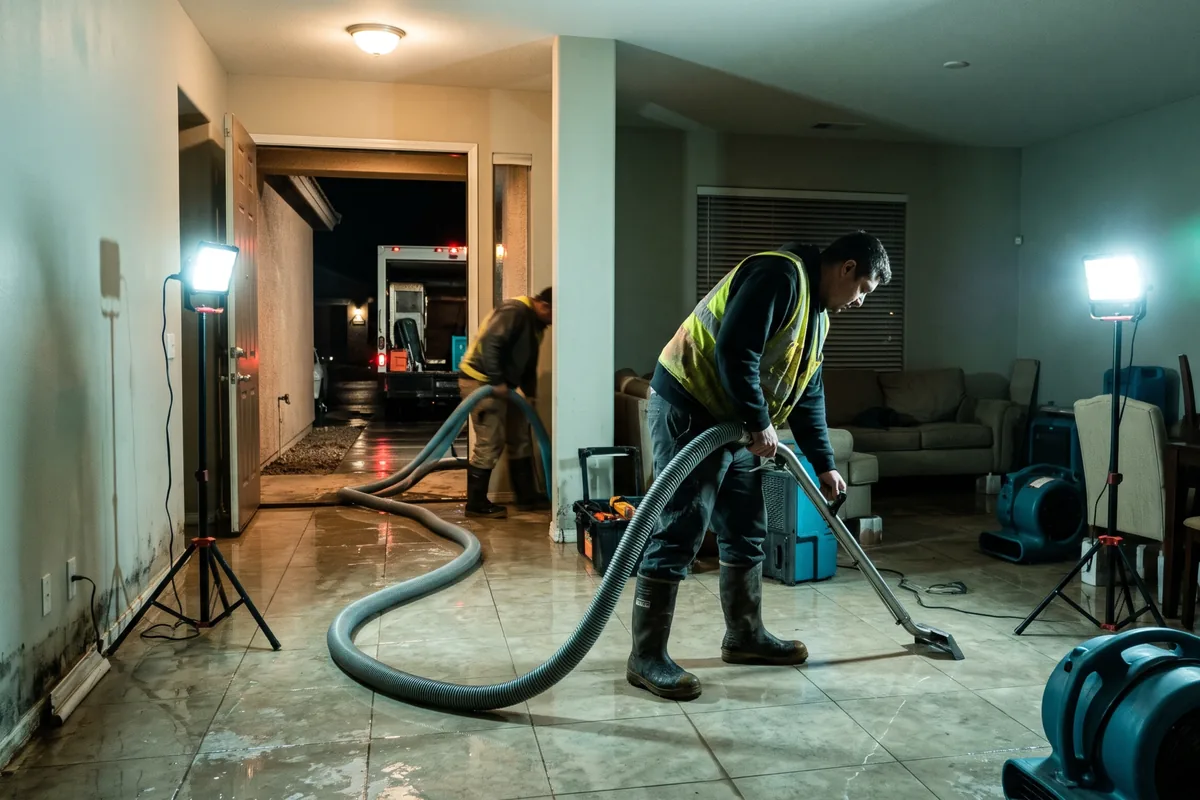
Emergency Water Damage Restoration
Round-the-clock response when water is spreading through your home. Call any hour, any day.
24/7 emergency water damage repair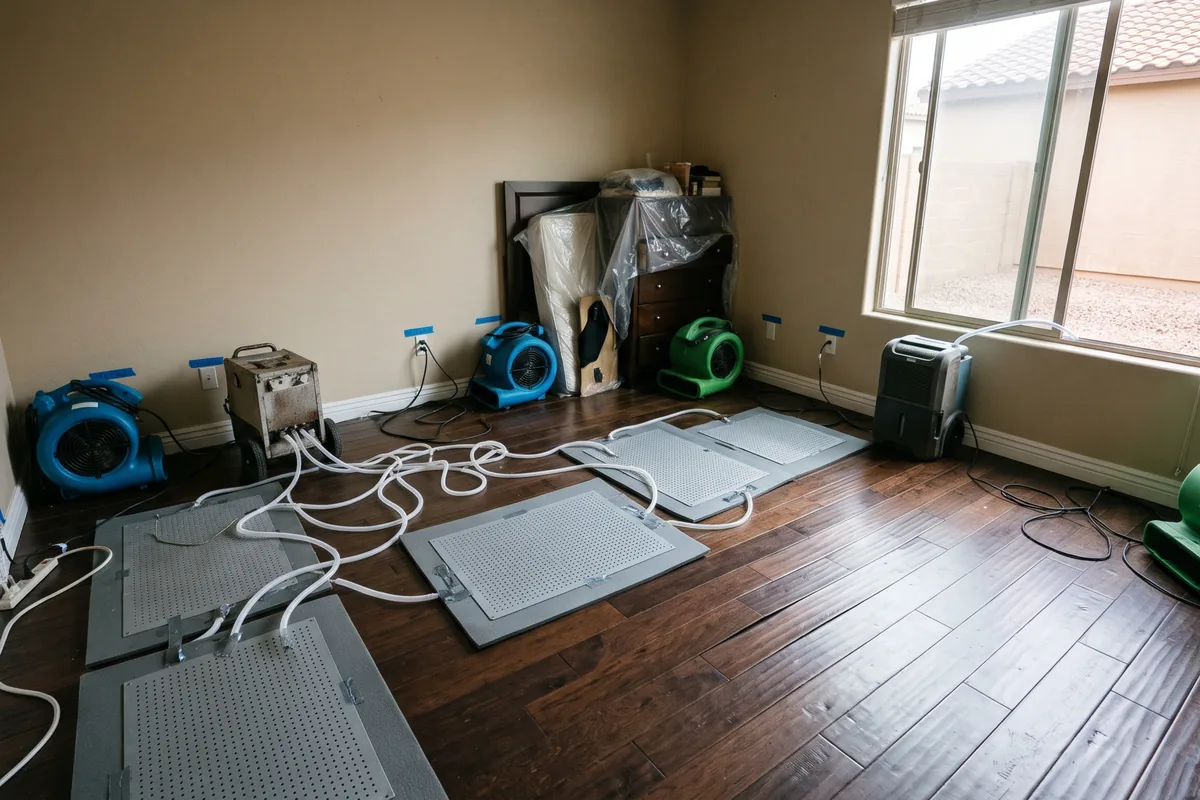
Structural Drying & Dehumidification
Air movers, dehumidifiers and moisture logs that dry walls, floors and framing completely.
Structural drying and dehumidification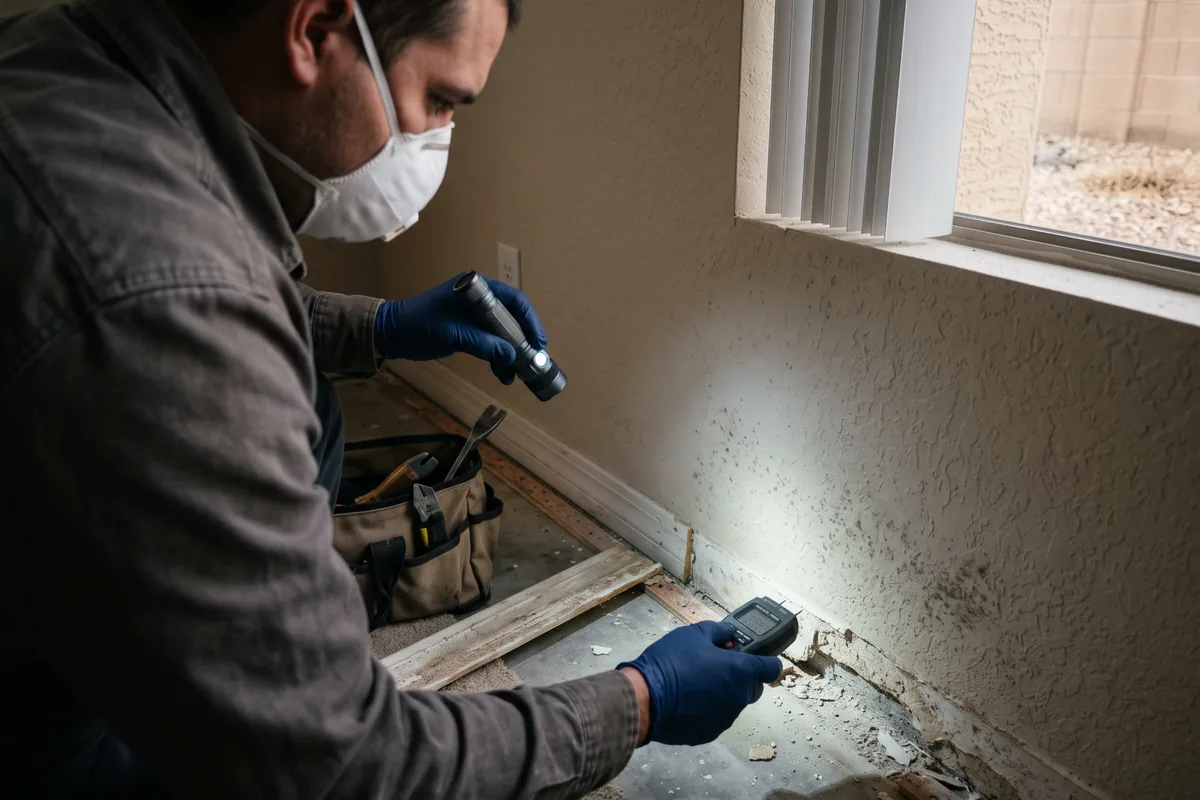
Mold Prevention
Dry fast, document readings and treat early so mold doesn’t start after a leak or flood.
Mold prevention after water damage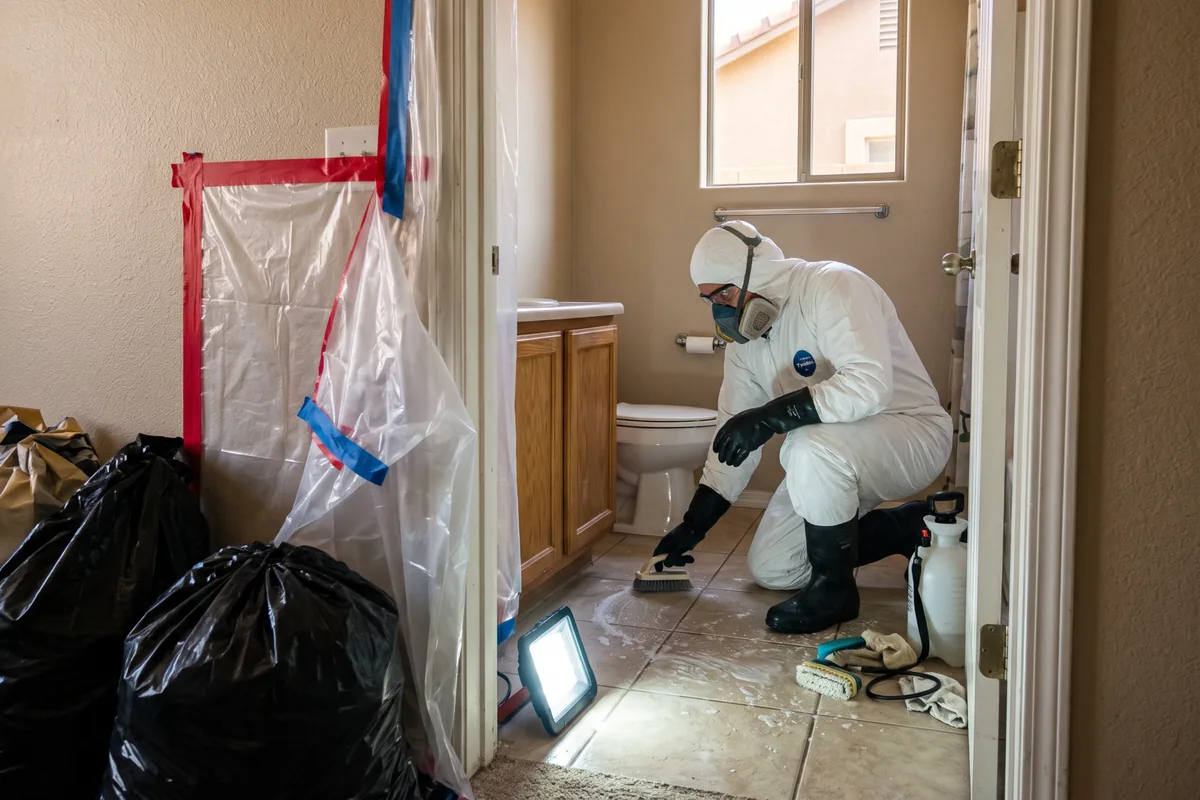
Sewage Cleanup
Safe, protective cleanup after sewage backups, overflowing toilets and contaminated water.
Sewage cleanup servicesAvailable across the West Valley
Water on the floor? Don’t wait.
Every hour water sits, it spreads into drywall, subfloor and insulation. Call now to be connected with a local restoration provider.