Water Leak Damage Restoration in West Valley, AZ
Stained ceilings, bubbling paint and musty smells usually mean water is somewhere it should not be. Call to be connected with a provider who can help find it and dry it.
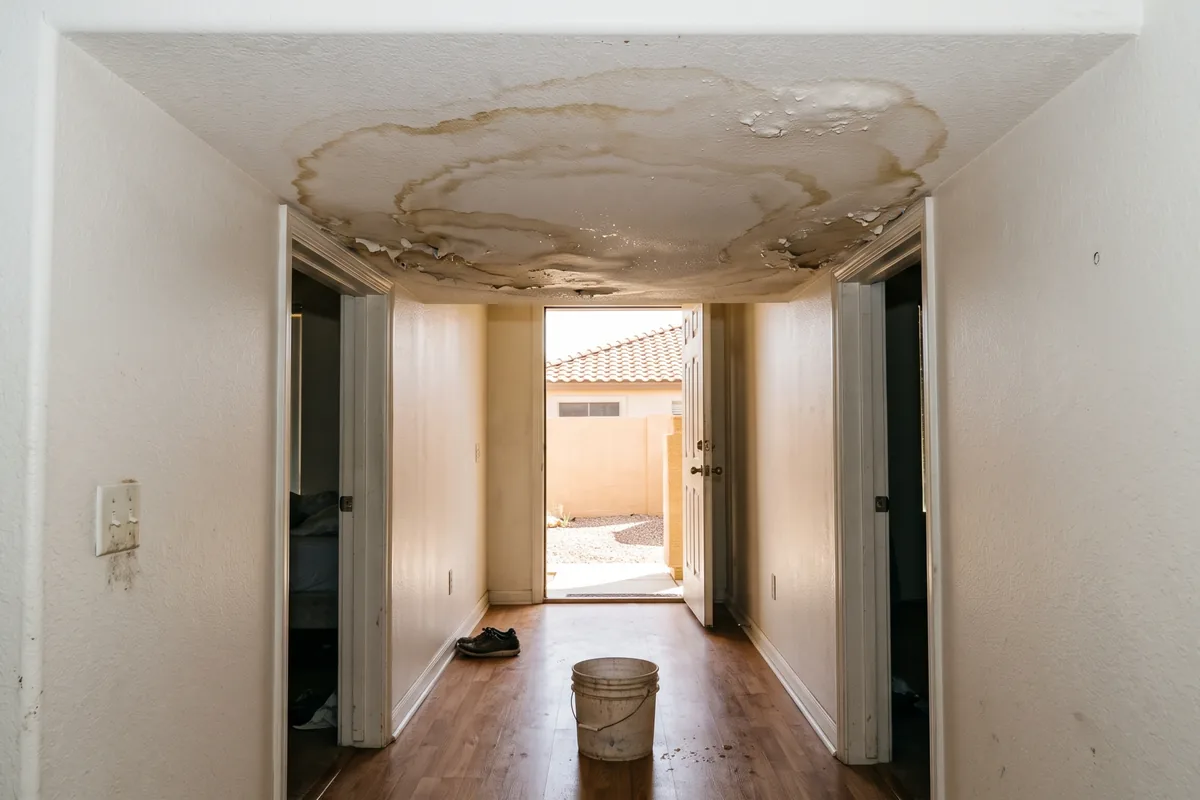
In short: Water leak damage restoration locates the source of a hidden or slow leak, removes wet materials and dries the structure. Slow leaks often cause more total damage than sudden ones because they go unnoticed for weeks.
Leaks you cannot see
Not every water loss floods a room. In West Valley homes, many of the costliest losses come from slow leaks in places few people look: above ceilings, behind appliances, inside wall cavities and under cabinets. A brown ring on drywall, paint that bubbles or peels, warped baseboards and a persistent damp smell are all warning signs.
Call now for water damage help
Open 24 hours, 7 days a week. Tell us what happened and your ZIP code on the phone. Active flooding? Shut off the main water valve first, then call.
(786) 928-1890Have ready when you call:
- Where the water is coming from
- Which rooms are wet
- Your address or ZIP code
The usual suspects in Arizona homes
Several leak sources are especially common here because of our climate and housing:
- Air conditioner condensate drains that clog with algae and overflow the pan, flooding ceilings below attic units
- Evaporative (swamp) coolers with failed float valves or pads in older homes
- Water heaters in garages and closets that corrode at the base as hard-water sediment builds up
- Tile roof underlayment that deteriorates and leaks during monsoon storms
- Plumbing under sinks, behind toilets and at dishwasher and washing machine connections
- Slab leaks that show up as warm floors or unexplained high water bills
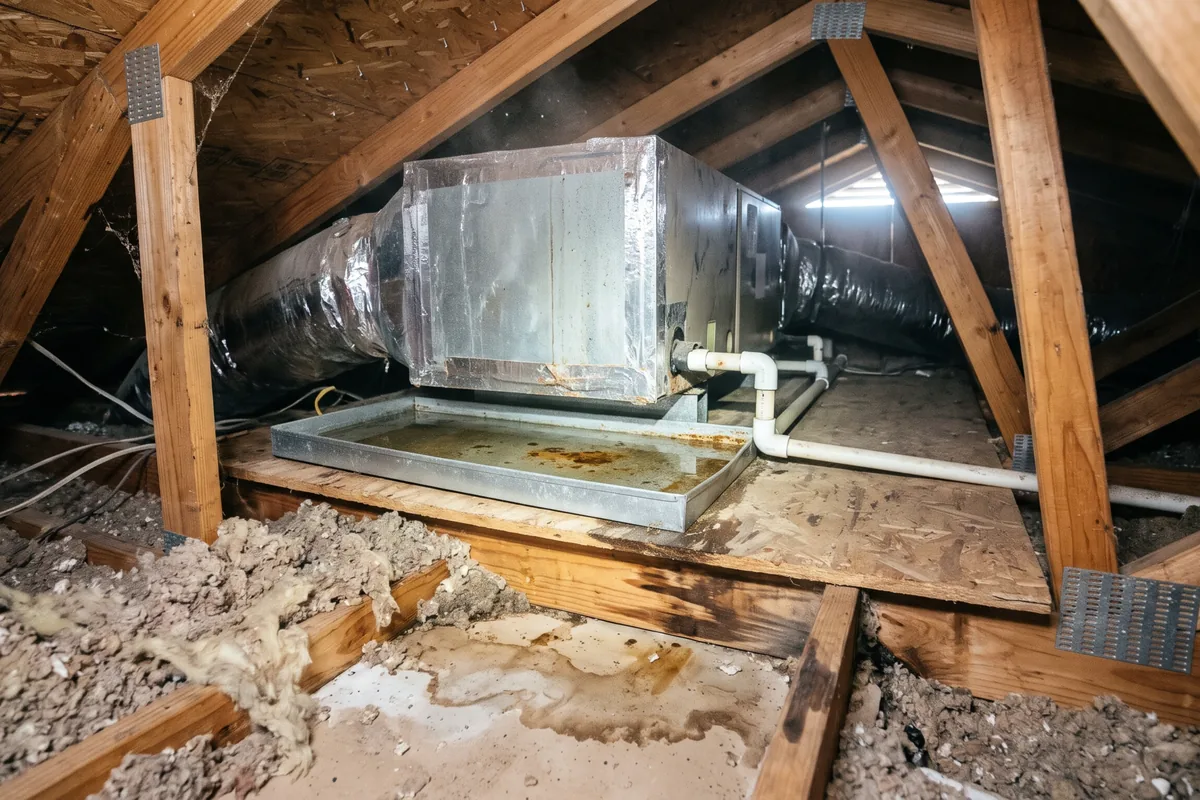
How leak damage is found and dried
A provider will use moisture meters, thermal cameras and, when needed, borescopes to trace wet materials back to the source. Once the plumber, roofer or HVAC technician fixes the source, the provider removes materials that cannot be dried, such as saturated insulation or sagging drywall, and sets drying equipment. Learn more about structural drying and dehumidification and mold prevention.
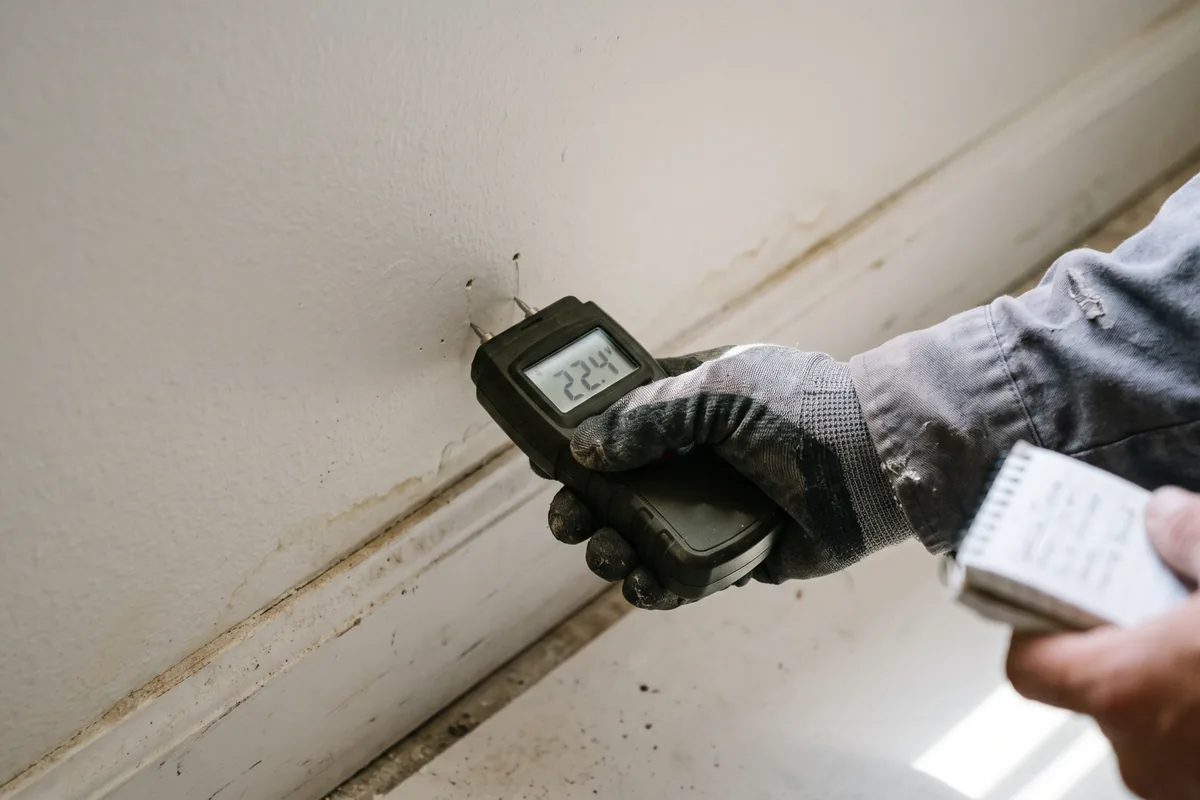
A quick check if you suspect a leak
Turn off all water use and look at your water meter. If the leak indicator or dial is still moving, there is probably a leak in your plumbing. Check under sinks, behind toilets and around the water heater, and look at your AC closet or attic unit for water in the drain pan. If you see sagging ceiling drywall, stay out from under it and call right away.
How water leak damage restoration works
The typical sequence from your first call to a finished job.
Describe the signs
Tell us what you see, smell or hear and where.
Locate the source
A provider or specialist traces moisture with meters and thermal imaging.
Stop the leak
The plumber, HVAC technician or roofer repairs the source.
Remove and dry
Wet materials are removed and the structure is dried and verified.
Restore
Drywall, paint and flooring are repaired once readings are normal.
Water Leak Damage Restoration FAQs
What does a water-stained ceiling mean?
Usually that water has soaked into drywall from above, from a roof leak, AC overflow or plumbing. Stains with rings often mean repeated wetting. Do not ignore it, even if it looks dry.
Is a slow leak covered by insurance?
Often not. Many policies exclude damage from long-term seepage or leakage, while sudden discharge may be covered. Report the loss promptly and ask your insurer how your policy treats it.
Can a leak cause mold in dry Arizona air?
Yes. Moisture trapped in walls, under flooring or above ceilings creates local humidity regardless of outdoor air. Prompt drying prevents it. See mold prevention.
What is a slab leak and how do I know if I have one?
A slab leak is a leak in a pipe beneath or inside the concrete foundation. Warm floor spots, a water meter that keeps moving and the sound of running water are common signs. See our slab leak guide.
How do I find a leak behind a wall?
Look for warm or cool spots, stains, warped baseboards and musty odors. Providers use thermal imaging and moisture meters to confirm without unnecessary demolition.
Who fixes the source of the leak?
A plumber, HVAC technician or roofer repairs the source. The restoration provider handles drying and cleanup. We can help you start both.
How it works: West Valley Water Damage is a referral service. When you call (786) 928-1890, we try to connect you with an independent local restoration provider who performs and prices the work. Contact the service provider to discuss the work, pricing and terms.
Related services
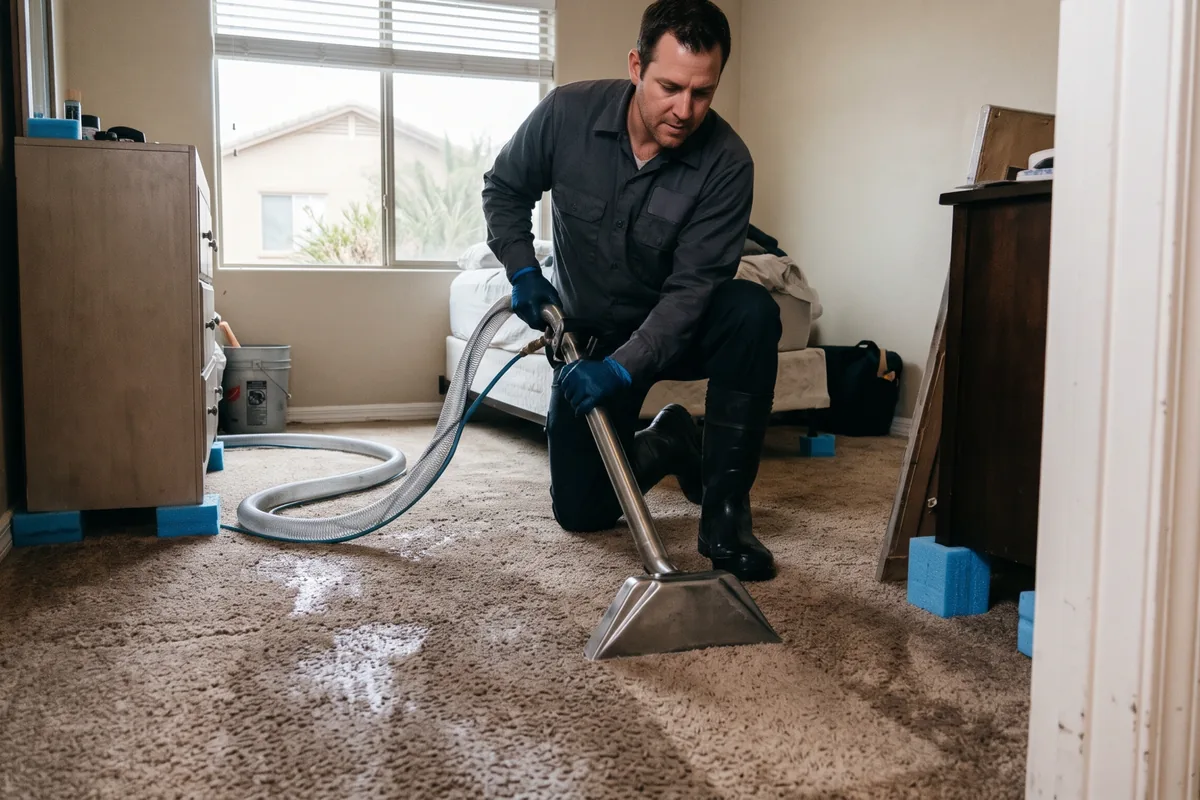
Water Extraction
Truck-mounted and portable extractors remove standing water from carpet, tile and subfloors.
Water extraction in West Valley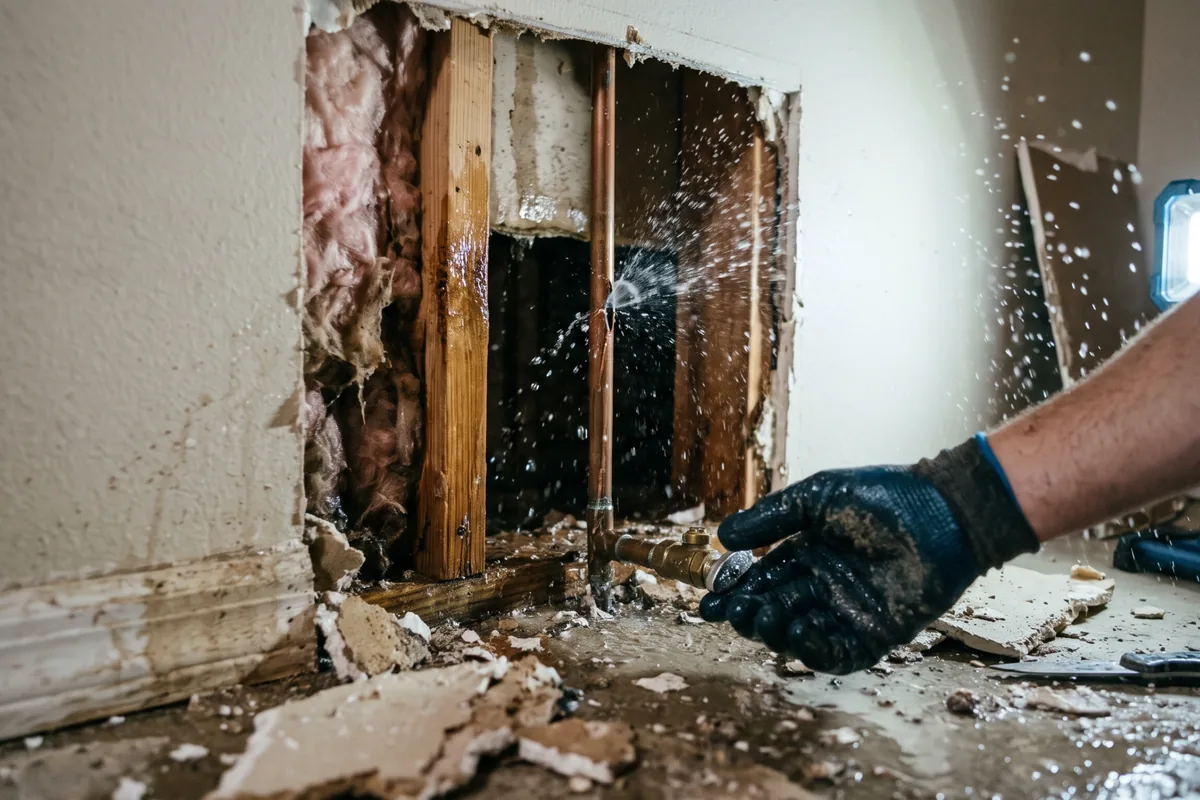
Burst Pipe Repair & Cleanup
Stop the leak, remove the water and dry out walls and floors after a burst or leaking pipe.
Burst pipe cleanup in West Valley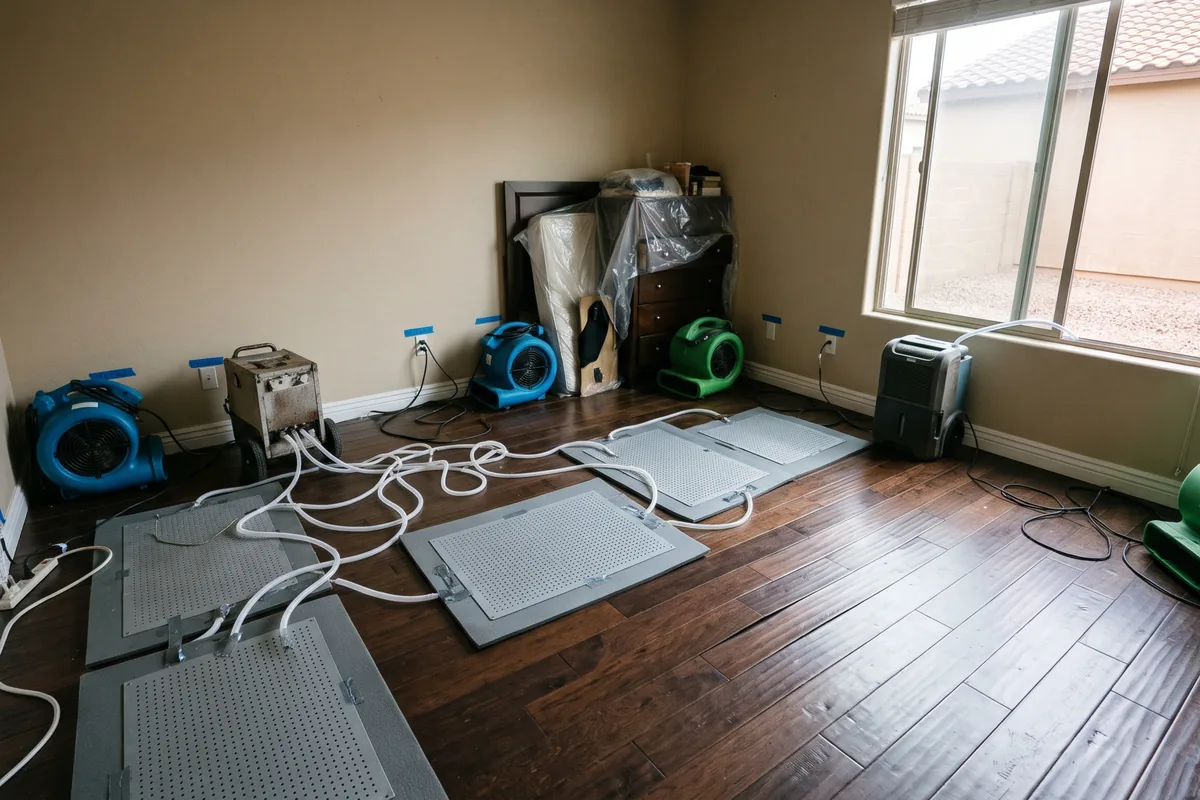
Structural Drying & Dehumidification
Air movers, dehumidifiers and moisture logs that dry walls, floors and framing completely.
Structural drying and dehumidification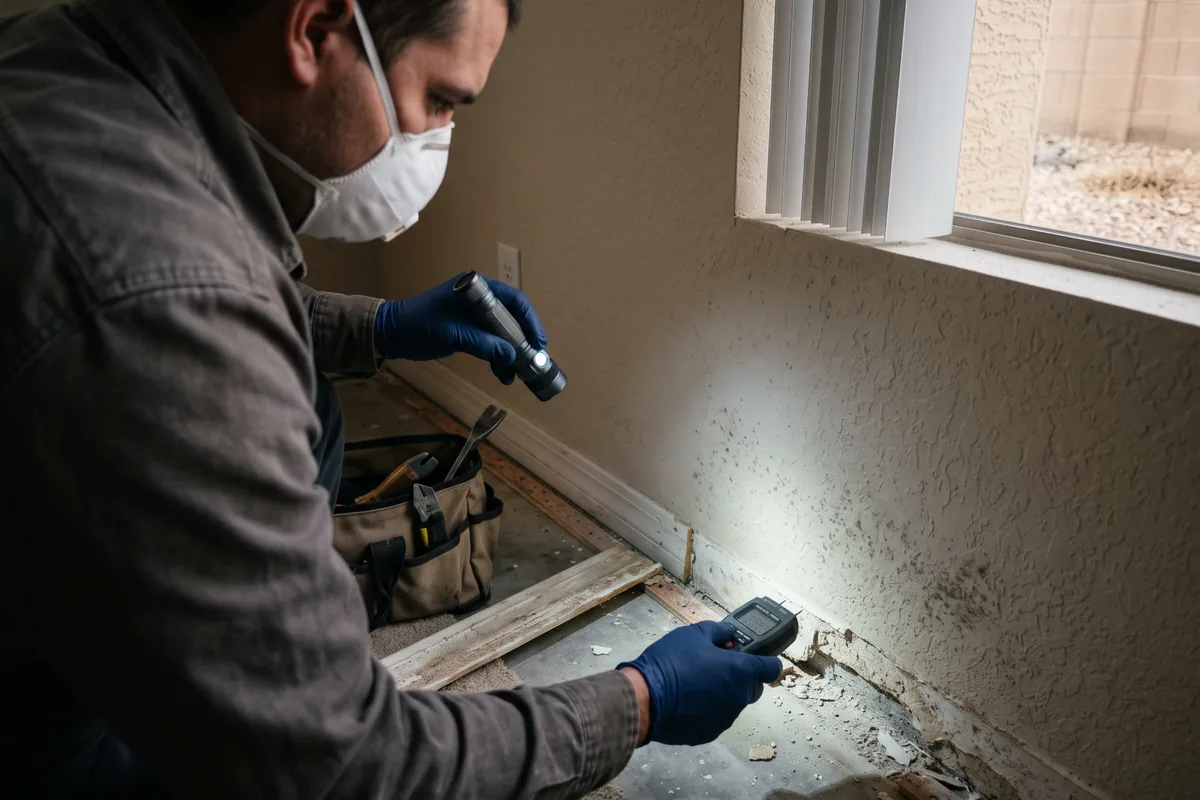
Mold Prevention
Dry fast, document readings and treat early so mold doesn’t start after a leak or flood.
Mold prevention after water damageAvailable across the West Valley
Water on the floor? Don’t wait.
Every hour water sits, it spreads into drywall, subfloor and insulation. Call now to be connected with a local restoration provider.