Structural Drying & Dehumidification in West Valley, AZ
Surface dry is not dry. Providers use air movers, dehumidifiers and moisture meters to dry the walls, floors and framing you cannot see.
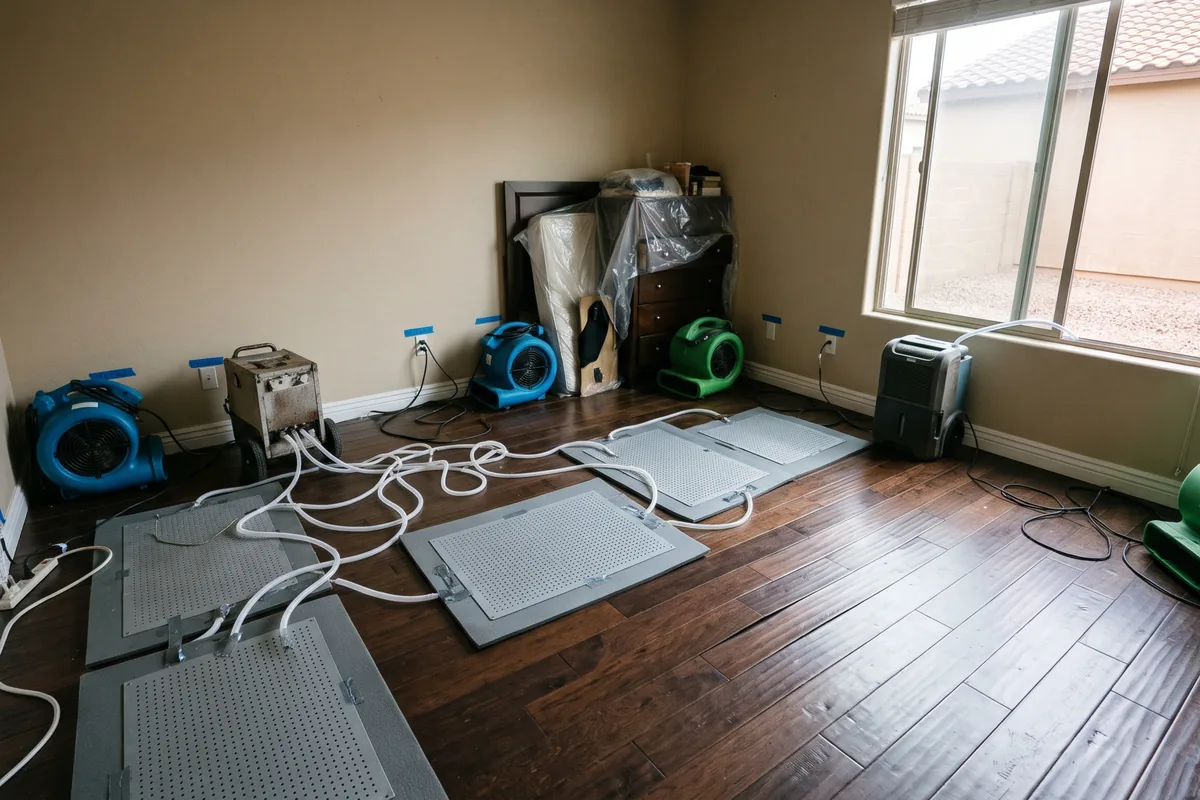
In short: Structural drying removes moisture absorbed into building materials using air movers and dehumidifiers, with moisture readings logged until each material reaches its dry standard. It typically takes three to five days.
Why drying is a science, not a guess
Building materials hold water. Drywall, wood framing, subfloor and concrete can all stay wet long after standing water is gone. Drying is managed using psychrometrics, the relationship between temperature, humidity and moisture in the air. The goal is to create conditions where moisture leaves materials and is captured by dehumidifiers instead of redistributing to other rooms.
Professional standards such as ANSI/IICRC S500 guide this process. Ask your provider how they document it.
Call now for water damage help
Open 24 hours, 7 days a week. Tell us what happened and your ZIP code on the phone. Active flooding? Shut off the main water valve first, then call.
(786) 928-1890Have ready when you call:
- Where the water is coming from
- Which rooms are wet
- Your address or ZIP code
The equipment you will see
A drying job in a West Valley home typically includes:
- Air movers: low-profile fans placed along walls and across floors to increase evaporation
- LGR (low-grain refrigerant) dehumidifiers: remove moisture from the air so drying continues
- Desiccant dehumidifiers: used in cooler conditions or specialized jobs
- Drying mats and injection panels: pull moisture from hardwood floors and wall cavities
- Moisture meters and thermal cameras: map and track wet materials
- Air scrubbers: sometimes used to clean the air if dust or contaminants are present
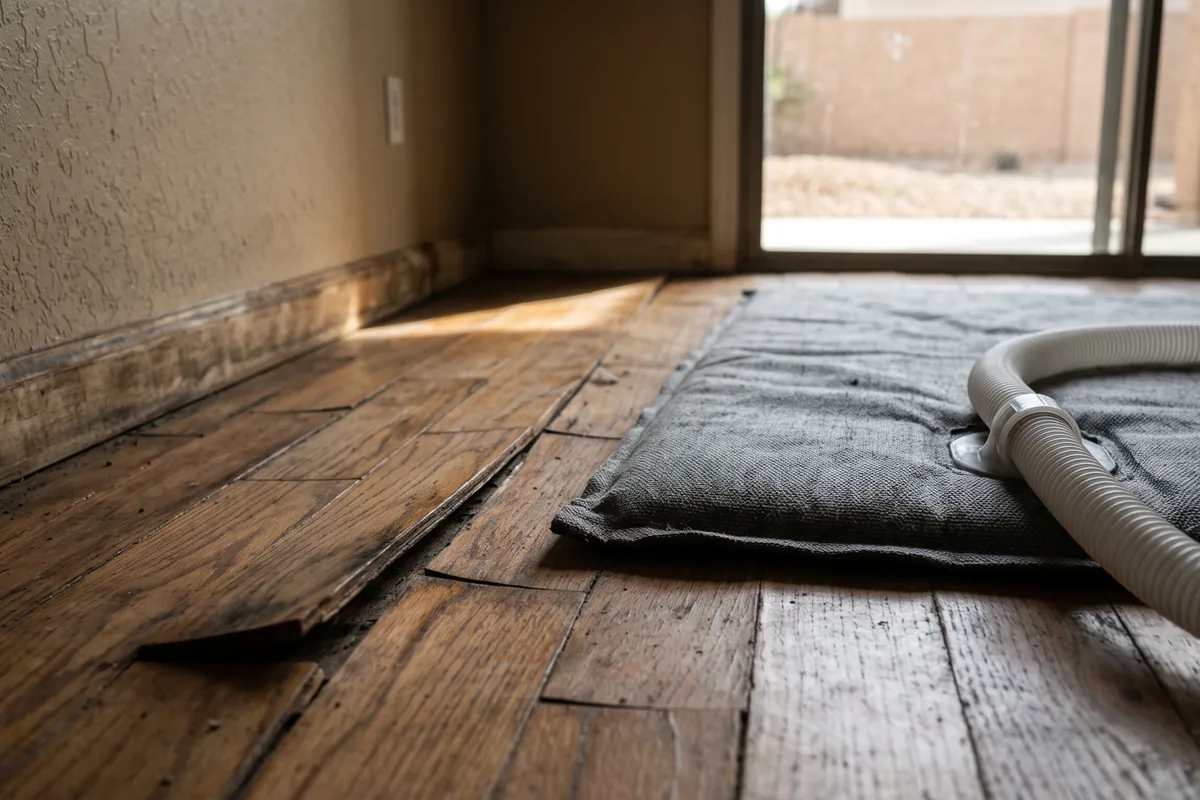
Drying in the desert: what is different
Our dry climate helps evaporation, but it does not make drying automatic. Sealed, air-conditioned homes behave differently from open air, and humidity jumps during monsoon season when dew points rise. Providers manage the closed drying environment, keeping windows and doors shut while equipment runs, so moisture is pulled out through dehumidifiers rather than drifting around the house.
How you know the job is done
A reliable provider logs moisture readings from the start and records them every day. Readings should fall toward the “dry standard,” often measured against unaffected parts of the same home. Equipment is removed only when materials reach that standard. Ask for the drying log and keep it with your claim paperwork. Learn how drying connects to mold prevention and water extraction.
How structural drying & dehumidification works
The typical sequence from your first call to a finished job.
Moisture mapping
Meters and thermal cameras identify every wet material.
Equipment setup
Air movers and dehumidifiers are placed to a calculated drying plan.
Daily monitoring
Technicians check readings and adjust equipment each visit.
Dry standard reached
Readings match the dry standard, and equipment is removed.
Documentation
The drying log and photos are provided for your records and insurer.
Structural Drying & Dehumidification FAQs
How long does structural drying take?
Most residential jobs take three to five days. Dense materials, hardwood, multiple layers or large areas can take longer.
Why are the machines so loud and hot?
Dehumidifiers generate heat as they condense water, and air movers run continuously. Both are part of the drying process and are normal.
Can I turn the equipment off at night?
It is best not to. Drying depends on continuous operation. If noise is a problem, talk to the provider about repositioning equipment.
Will my electric bill go up?
Yes, temporarily. Equipment draws power for several days. Some insurers reimburse a portion, so keep your utility bill and ask your adjuster.
What is the difference between drying and dehumidification?
Air movers promote evaporation from surfaces, and dehumidifiers remove the resulting moisture from the air. You need both to complete drying.
How it works: West Valley Water Damage is a referral service. When you call (786) 928-1890, we try to connect you with an independent local restoration provider who performs and prices the work. Contact the service provider to discuss the work, pricing and terms.
Related services
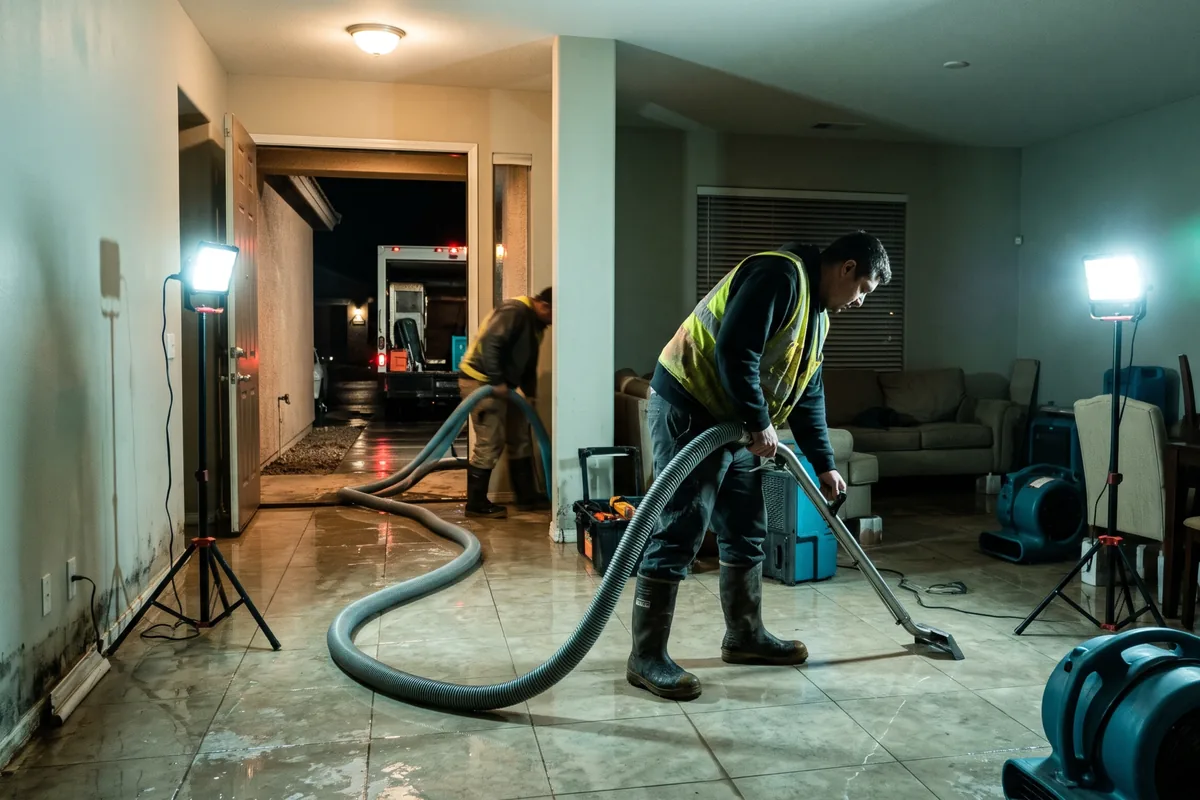
Emergency Water Damage Restoration
Round-the-clock response when water is spreading through your home. Call any hour, any day.
24/7 emergency water damage repair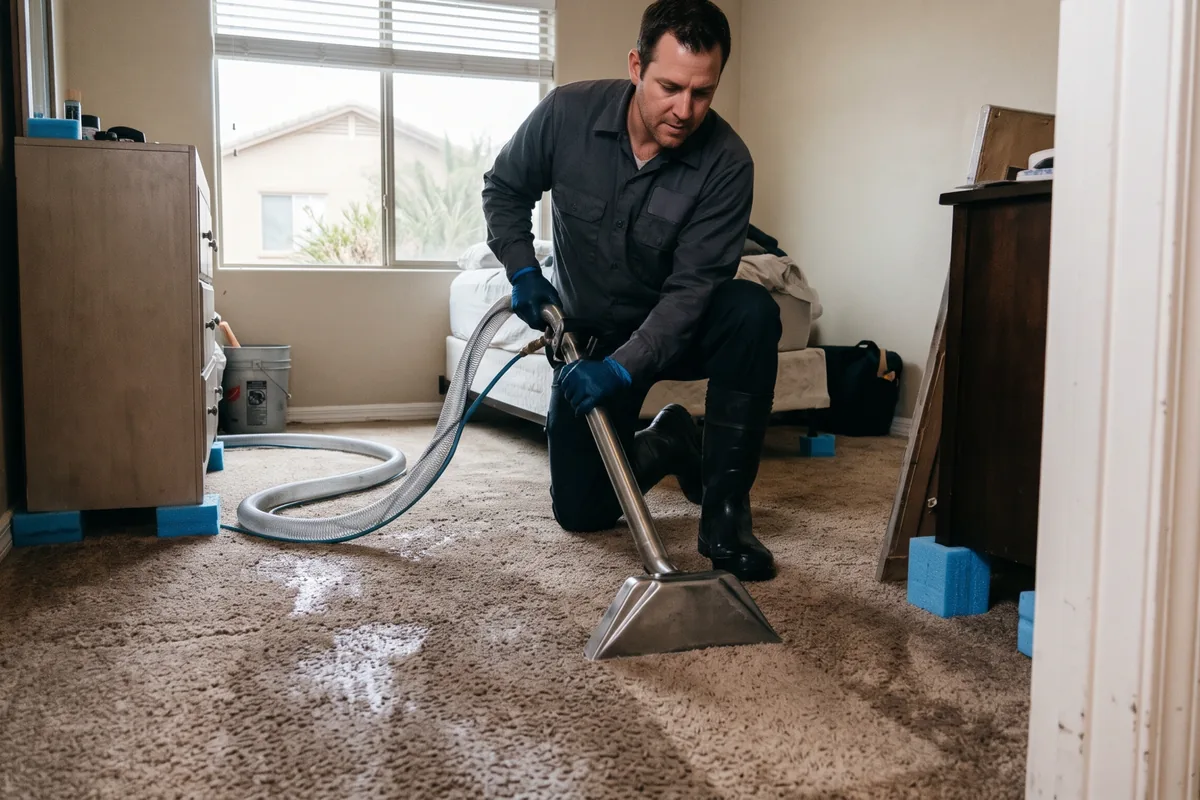
Water Extraction
Truck-mounted and portable extractors remove standing water from carpet, tile and subfloors.
Water extraction in West Valley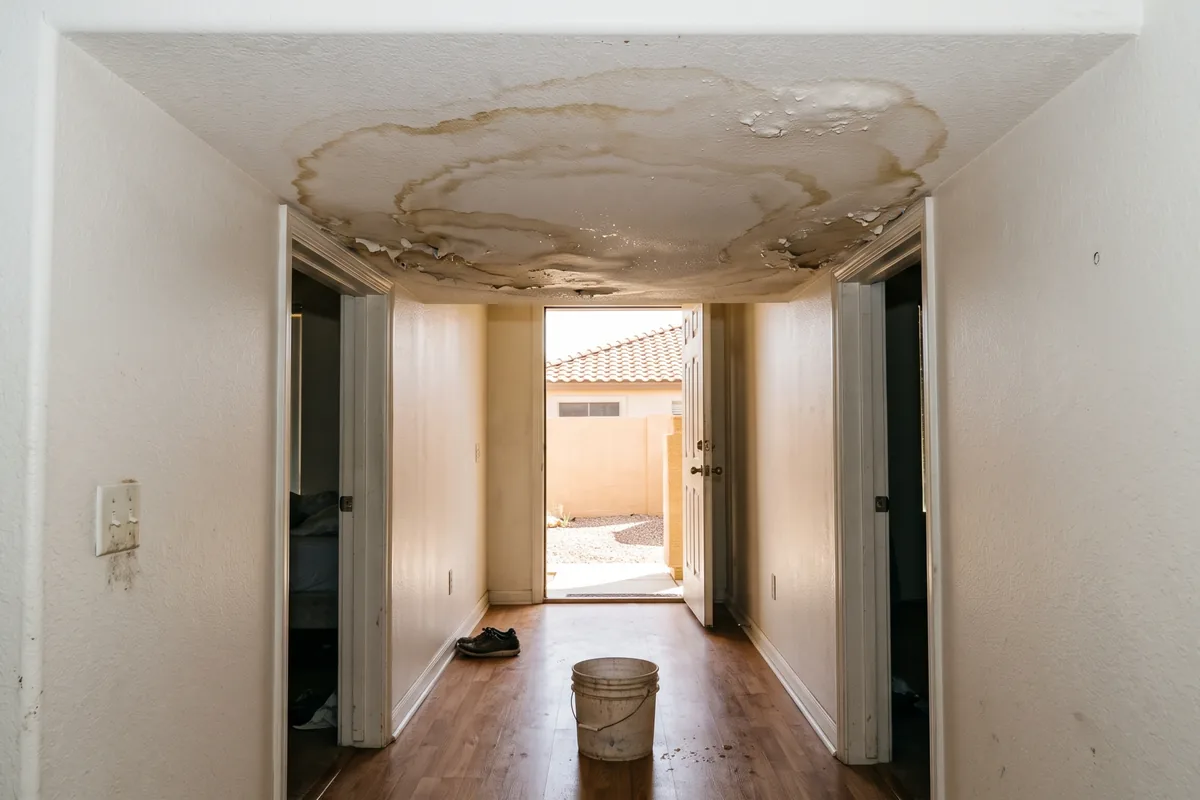
Water Leak Damage Restoration
Hidden leaks from ceilings, walls, roofs, water heaters and AC units, found, dried and repaired.
Water leak damage restoration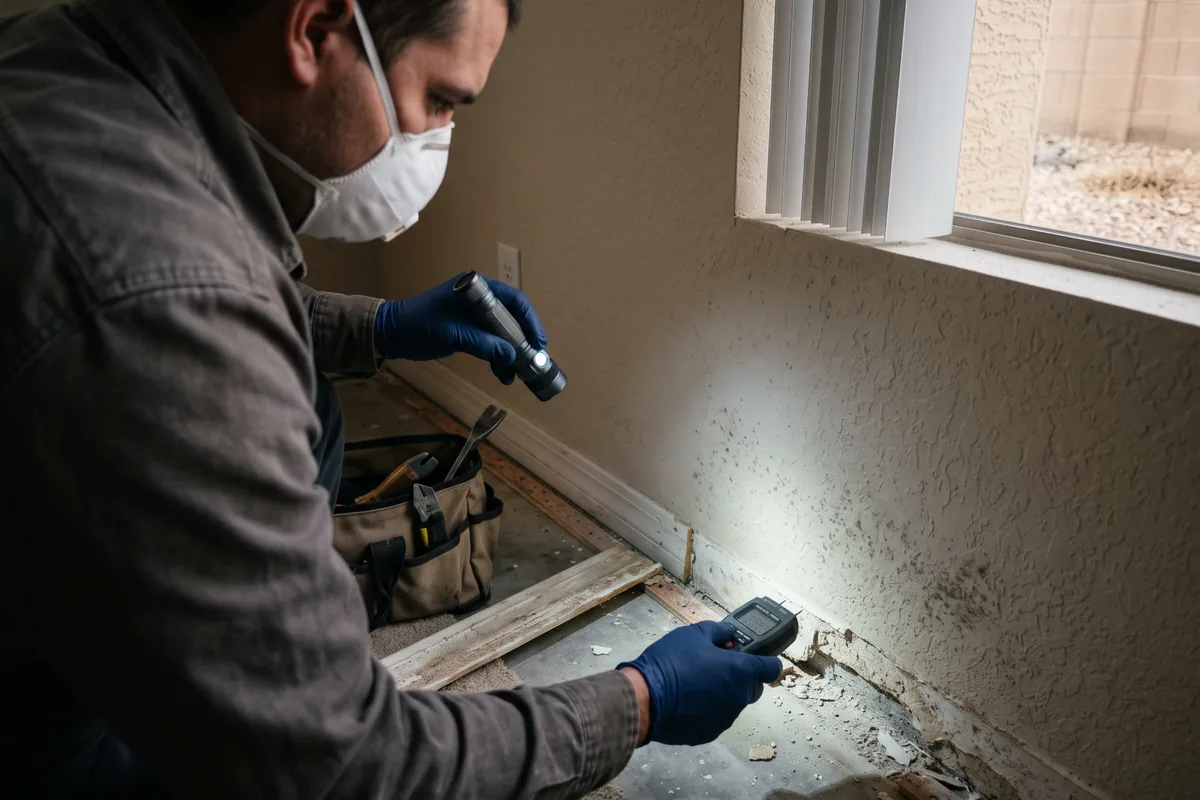
Mold Prevention
Dry fast, document readings and treat early so mold doesn’t start after a leak or flood.
Mold prevention after water damageAvailable across the West Valley
Water on the floor? Don’t wait.
Every hour water sits, it spreads into drywall, subfloor and insulation. Call now to be connected with a local restoration provider.