Mold Prevention After Water Damage in West Valley, AZ
Mold is a moisture problem. Dry the structure fast, verify it is dry and treat early, and the chance of mold drops dramatically.
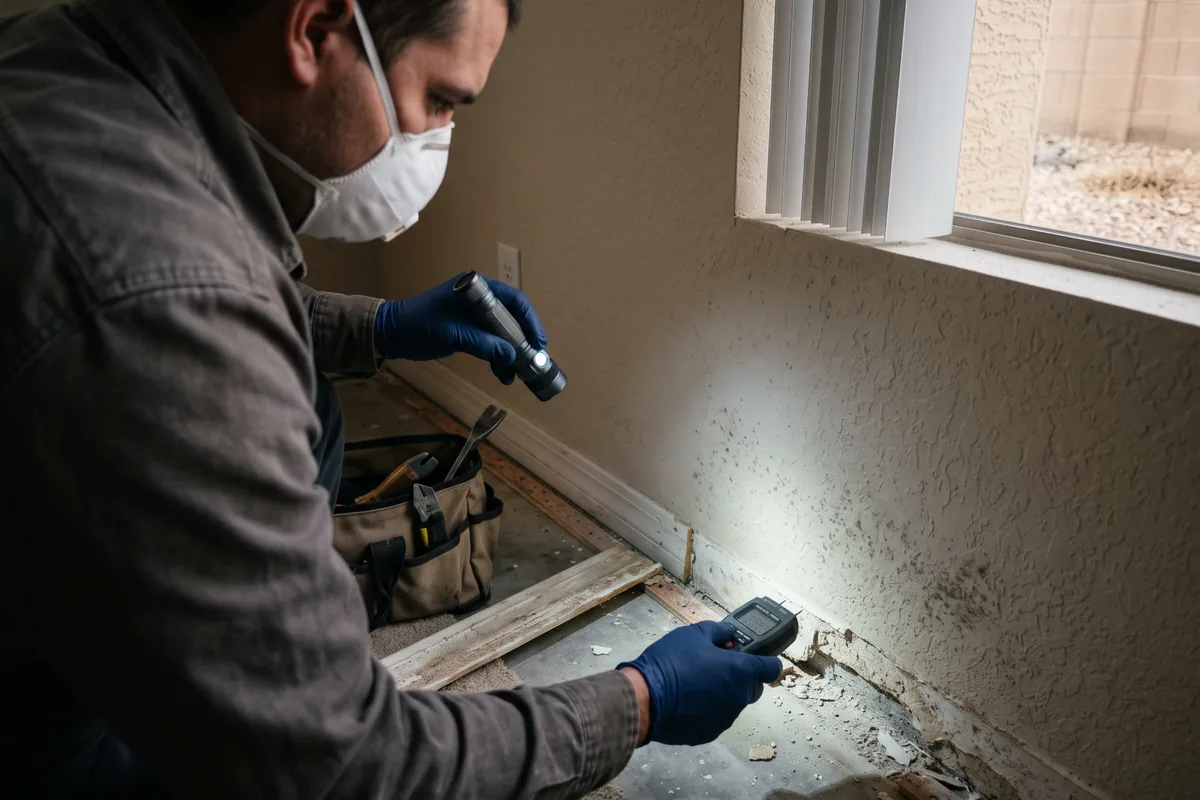
In short: Mold prevention after water damage means removing water within 24 to 48 hours, drying materials to their dry standard, removing materials that cannot be dried and checking moisture until readings are normal.
The 24 to 48 hour window
The U.S. Environmental Protection Agency advises drying wet materials within 24 to 48 hours to prevent mold growth. After that, spores that are already present in nearly every home begin to colonize wet drywall, wood and carpet pad. Because mold needs moisture, drying is the best prevention.
Call now for water damage help
Open 24 hours, 7 days a week. Tell us what happened and your ZIP code on the phone. Active flooding? Shut off the main water valve first, then call.
(786) 928-1890Have ready when you call:
- Where the water is coming from
- Which rooms are wet
- Your address or ZIP code
Does Arizona’s dry climate protect me?
Not once water is inside your walls. A closed, air-conditioned house with wet insulation or drywall can create a pocket of high humidity that supports mold even when outdoor humidity is in the single digits. Mold in West Valley homes is most often tied to AC condensate leaks, slab and plumbing leaks, roof leaks during monsoons and water that was never fully dried.
Mold prevention is therefore part of every structural drying job.
What prevention looks like in practice
A provider focuses on removing moisture and the conditions mold needs. Typical steps include:
- Fast water extraction and removal of wet porous materials that cannot be dried
- Air movers and dehumidifiers running until moisture readings reach dry standards
- Antimicrobial treatment on affected framing and surfaces where appropriate
- Cleaning and drying of contents, HVAC components and cabinets that were wet
- Follow-up moisture checks behind baseboards, under cabinets and in closets
- Fixing the source, such as a clogged condensate line or leaking supply line
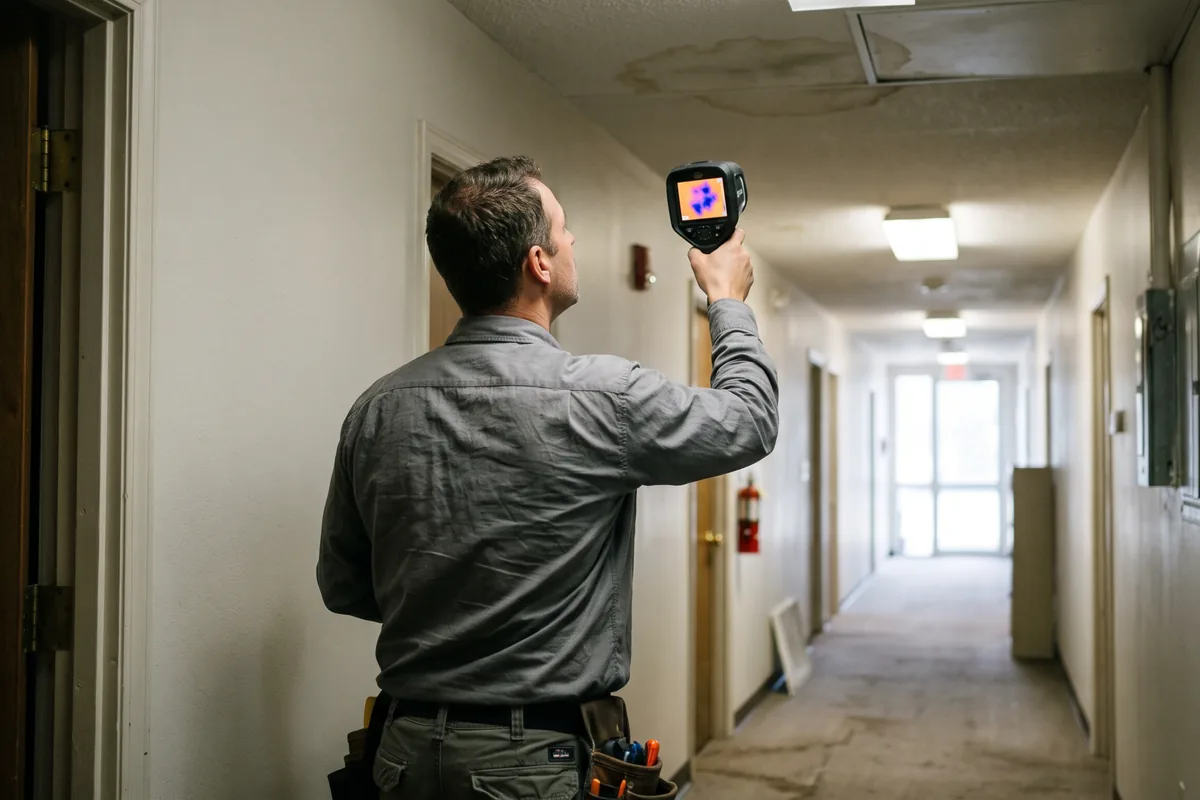
If you already see or smell mold
Small areas of surface mold on non-porous materials can often be cleaned. Larger growth, mold behind walls, or anyone in the home with asthma, allergies or a weakened immune system calls for a professional assessment. Do not disturb it, run fans over it or seal it with paint. Keep the area dry, and call so we can try to connect you with a provider who can evaluate it. Mold is rarely “killed” by sprays alone, so removal of contaminated porous materials is common.
How mold prevention works
The typical sequence from your first call to a finished job.
Stop the water
Fix the source and extract standing water.
Remove what cannot dry
Wet insulation, pad and saturated drywall are removed.
Dry fully
Equipment runs until materials reach dry standard.
Treat and clean
Antimicrobial treatment and cleaning are applied where appropriate.
Verify
Follow-up moisture checks confirm it stays dry.
Mold Prevention FAQs
How quickly can mold grow after a leak?
Mold can start within 24 to 48 hours in damp materials. Quick extraction and drying are the best prevention.
Is black mold always dangerous?
Color does not determine risk. Any mold growth indicates a moisture problem, and people with asthma, allergies or weak immune systems should avoid exposure. A professional can assess what is present.
Should I get mold testing?
Testing is not always necessary. If you can see or smell mold, treat it as a moisture problem. A qualified assessor can advise whether testing makes sense in your case.
Will bleach kill mold on drywall?
Bleach does not penetrate porous materials, so mold roots may remain. Contaminated drywall and insulation are usually removed instead of cleaned.
Do you offer mold remediation in West Valley, AZ?
Our focus here is preventing mold after water damage. If mold is already present, ask the service provider whether they handle mold remediation or work with a mold specialist, and keep the area dry and undisturbed.
Does homeowners insurance cover mold?
Policies often limit or exclude mold unless it resulted from a covered water loss. Review your policy and see our insurance claims help.
How it works: West Valley Water Damage is a referral service. When you call (786) 928-1890, we try to connect you with an independent local restoration provider who performs and prices the work. Contact the service provider to discuss the work, pricing and terms.
Related services
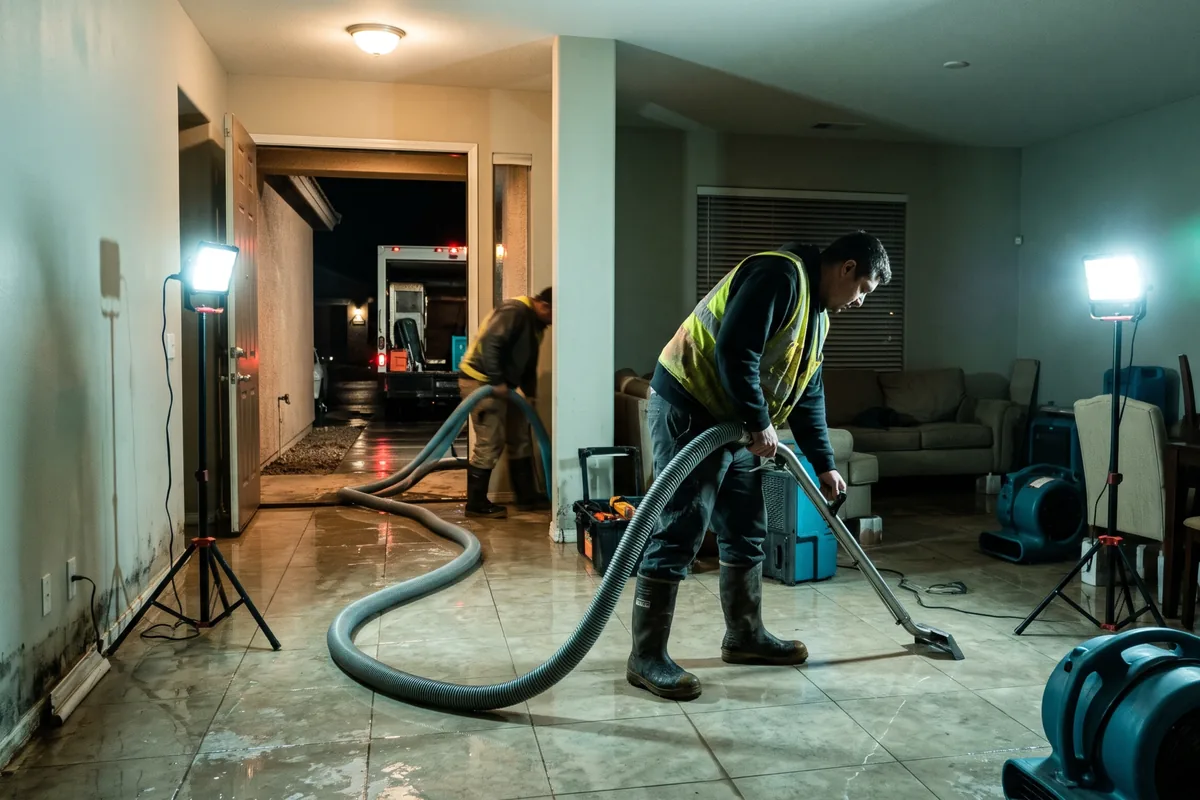
Emergency Water Damage Restoration
Round-the-clock response when water is spreading through your home. Call any hour, any day.
24/7 emergency water damage repair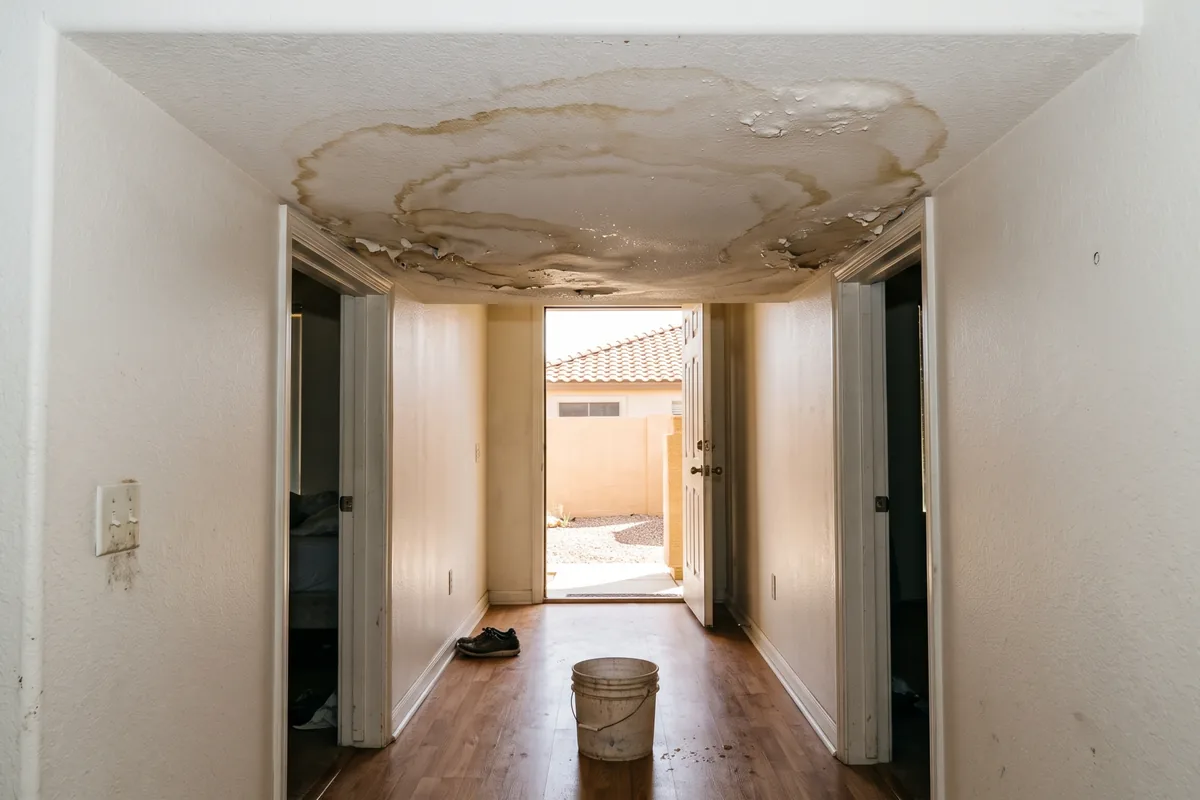
Water Leak Damage Restoration
Hidden leaks from ceilings, walls, roofs, water heaters and AC units, found, dried and repaired.
Water leak damage restoration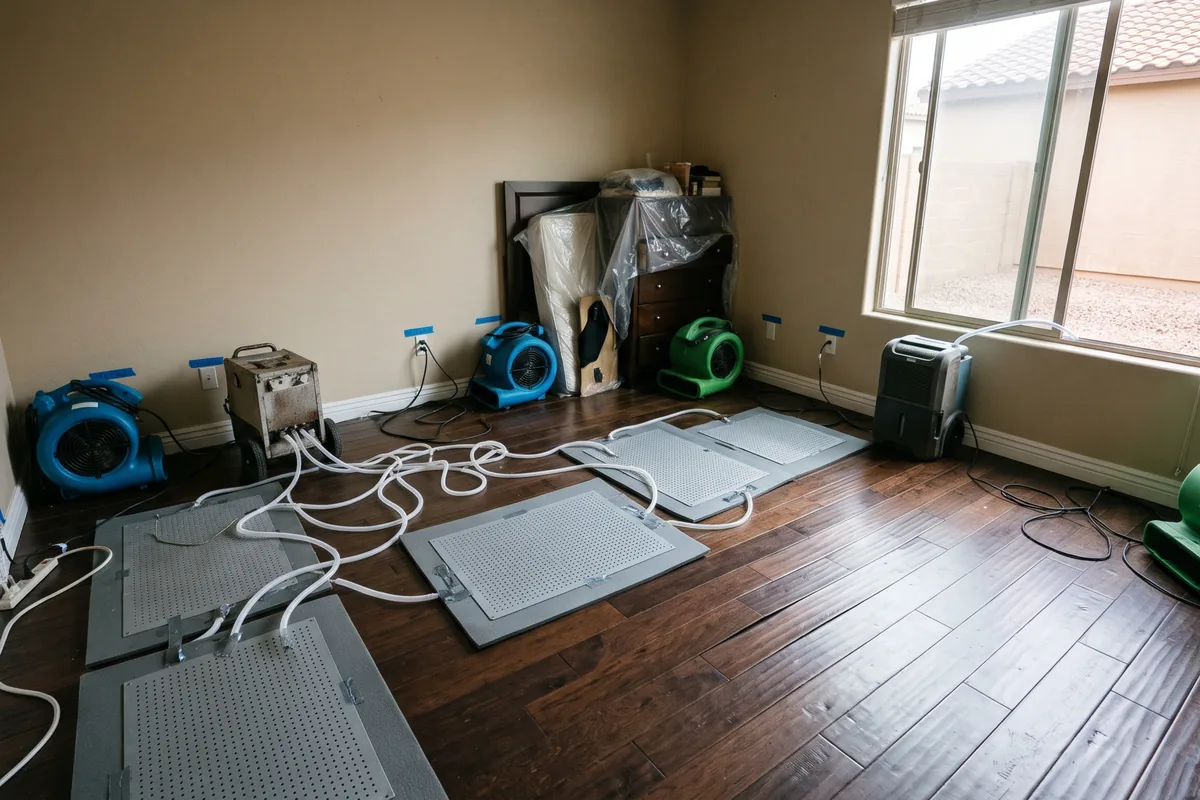
Structural Drying & Dehumidification
Air movers, dehumidifiers and moisture logs that dry walls, floors and framing completely.
Structural drying and dehumidification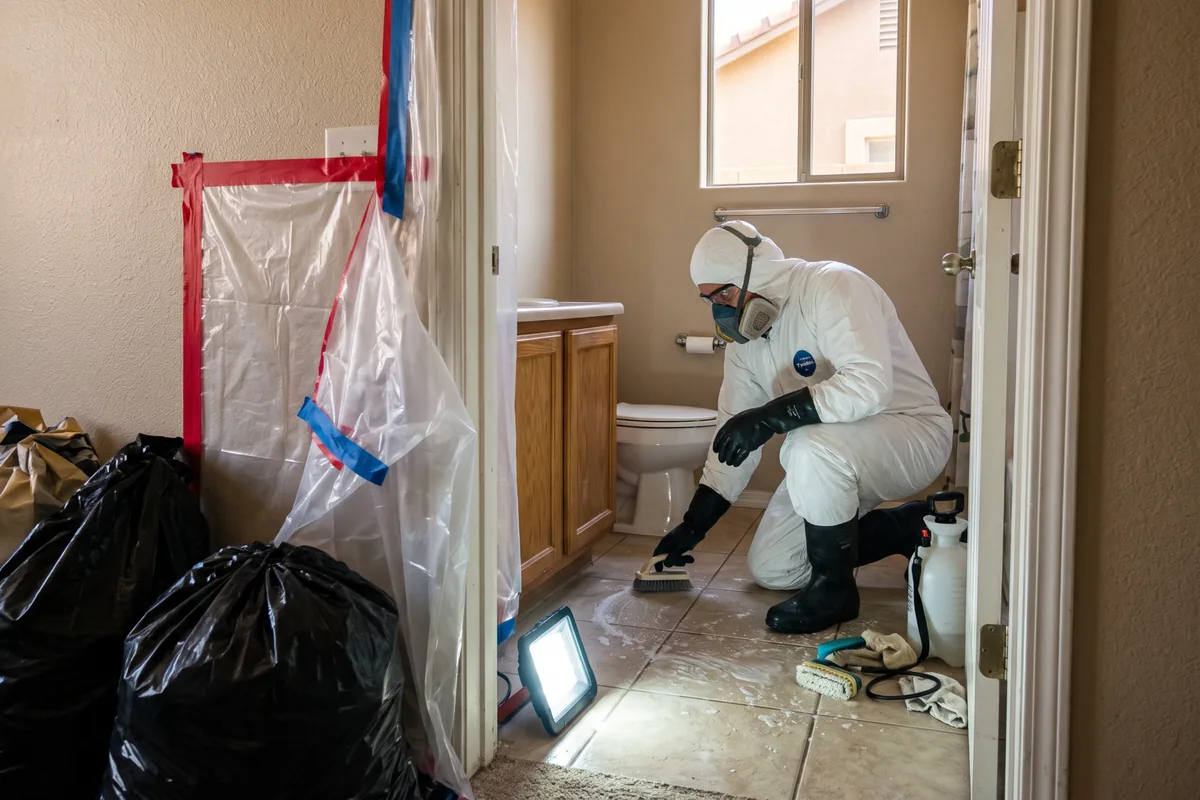
Sewage Cleanup
Safe, protective cleanup after sewage backups, overflowing toilets and contaminated water.
Sewage cleanup servicesAvailable across the West Valley
Water on the floor? Don’t wait.
Every hour water sits, it spreads into drywall, subfloor and insulation. Call now to be connected with a local restoration provider.