First priorities
- Protect people: evacuate if there is an electrical or structural hazard
- Stop the water at its source
- Shut off power to affected areas if safe
- Call a restoration provider and your property manager or landlord
- Notify your insurance agent
Protect inventory and equipment
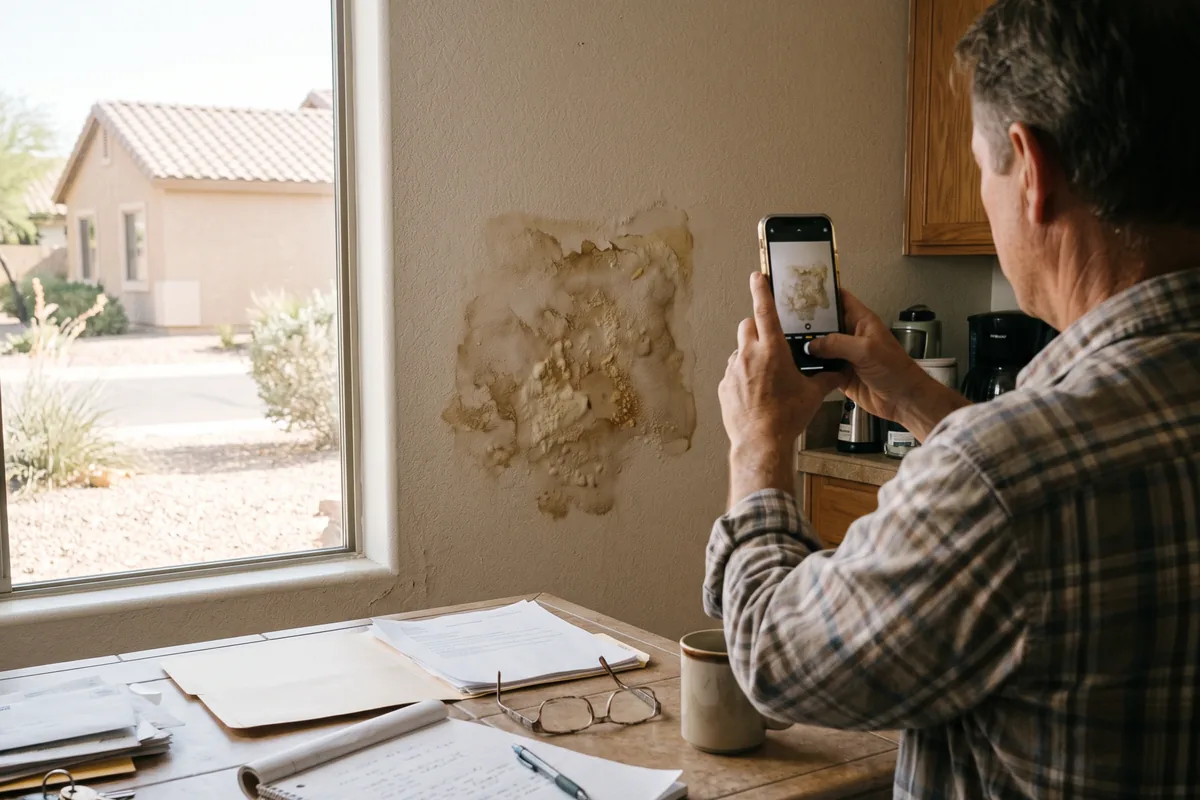
Move electronics, documents and inventory to dry areas. Cover equipment with plastic. Photograph everything before moving it. Your provider can help with contents pack-out for larger losses.
Plan phases to stay open
A good provider will isolate wet areas, run equipment and set barriers so you can keep unaffected spaces open. See commercial water damage restoration.
Documentation for your claim
- Photos and video, timestamped
- Inventory lists with values
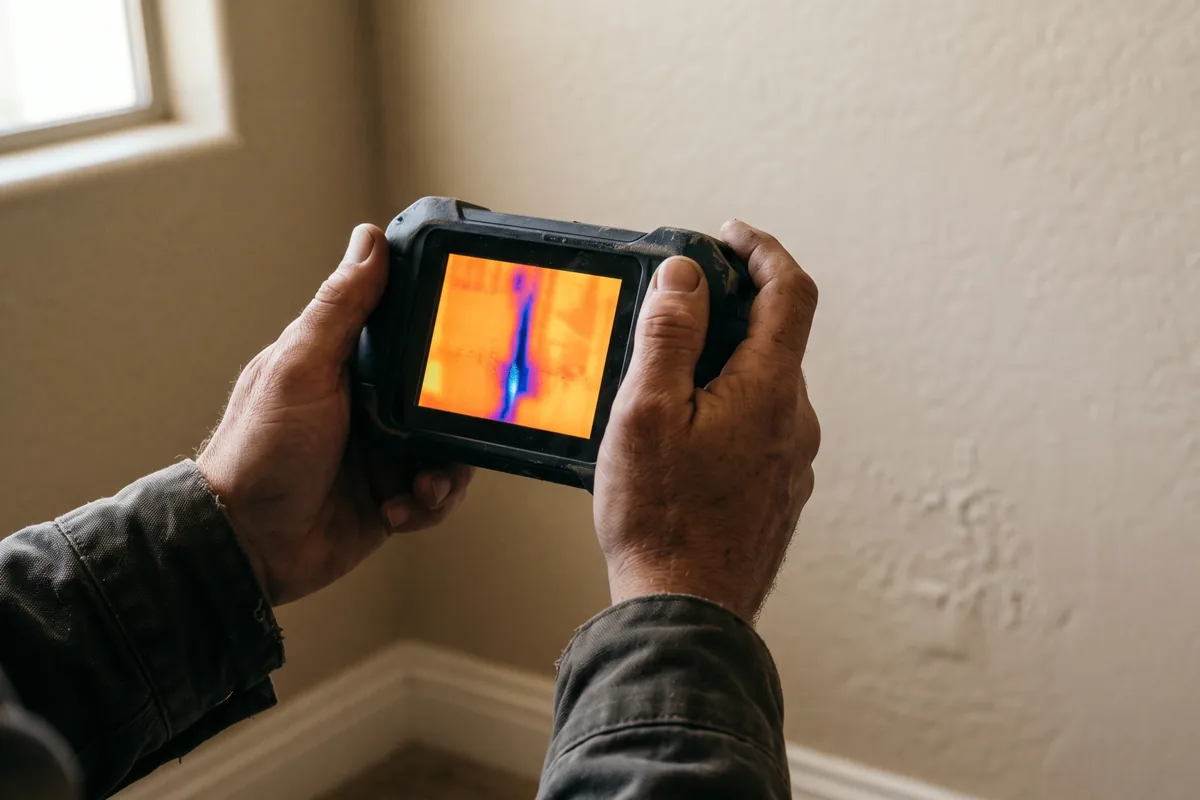
- Invoices and moisture logs
- Lease responsibilities for repairs and improvements
- Records of lost income if you carry business interruption coverage
Reduce future risk
- Inspect sprinkler lines, roof drains and restroom plumbing regularly
- Maintain AC condensate lines in multi-unit buildings
- Install leak sensors in server rooms, storage areas and mechanical rooms
- Create a simple emergency plan with the shut-off locations and our number
Quick answers
Who pays for repairs, the landlord or the tenant?
It depends on the lease and the policy. Review both and notify the landlord promptly.
Does business interruption cover lost income?
Possibly, if you have the coverage and the loss is covered. Check waiting periods and documentation requirements.
Need help now?
If water is already in your home, call (786) 928-1890 for 24/7 help in the West Valley. See our emergency water damage restoration service.
West Valley Water Damage is a referral service. Information here is general and not legal, insurance or engineering advice.